
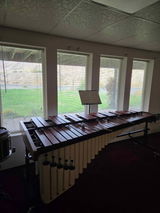


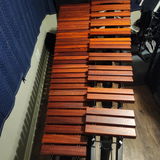
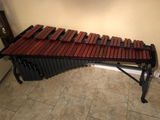

I've been meaning to write a review for my marimba but I've been busy getting my chops back up to speed and just enjoying my instrument for a couple weeks, but I've finally popped on to let anyone know how ordering from Monkman Studios has gone for me.
So, I'm a former band kid turned engineer, and I've been looking to purchase a marimba since february of '25 and I couldn't believe it when one of my favorite composers had started making them, and not just making quality instruments but very, very affordable ones at that. I was sold on the reviews and instagram previews of these instruments and submitted a request for quote in July '25. It's been a very smooth experience with a fantastic product at the end, and I feel like I would be doing a disservice if I didn't come on here and verify all the claims made by Monkman Studios.
The product really is as cheap as is claimed, no bait and switch, the shipping was obviously not included in that price becase it varies depending on where you live, but with that cost included, it was still STILL less than some brands charge for a paduak practice marimba of the same range and without resonators. This is a stellar price, and as far as I looked I couldn't beat it anywhere.
For the frame, it's minimalistic and sturdy in the right way. I do like how parts are labeled and these screw bolts are replaceable if you ever lose one. I wondered how long the gas struts would last with the white wave seeing as there's only one per side but wow these things are sturdy and very strong. Everything that is needed to make a great frame is present, and all materials feel quality for the price. For a quick side rant, some brands like to add unnecessary bracing or "precision machining" to their build description but for a cost that they never expand on. Adams, for example, created a model that used a strange z shape to the end of their frames and while it looks interesting, is it really necessary and by how much does it inflate the price? From a build and price perspective, I kept asking myself that question as I looked through different places to buy a marimba -- "How do they get away with charging this much for this instrument?" It's not like it's extremely difficult to make these instruments, people on reddit have done it before, so why can't a company create quality at a reasonable price?
As far as the sound goes, I am very happy with the paduak that Monkman Studios supplies. There were no defects and all of them resonate for quite a while like in the instagram previews I've seen. They sound similar enough to rosewood that I don't feel like I'm playing on anything cheap, I personally can't hear the difference. I'd actually prefer performing on this instrument over some of the expensive university marimbas I used to practice with just because the bars sound more consistent to me.
Finally ordering was a totally smooth process. From the time that I requested quote, paid, and received my marimba it was maybe 3 months but for something this cheap and from that far away, it's a very understandable time frame. I was a little worried during early october that there might have been an issue receiving my marimba at the ports but Jesse Monkman assured me that my package was fine and communicated with me regularly up until the point of delivery to make sure everything went smoothly.
My experience was nothing short of professional and what was advertised. I'm beyond happy to support a business whose mission is to make instruments accessible to students and schools, and I will gladly recommend this product to as many people as I can. 5/5, very well designed and produced.
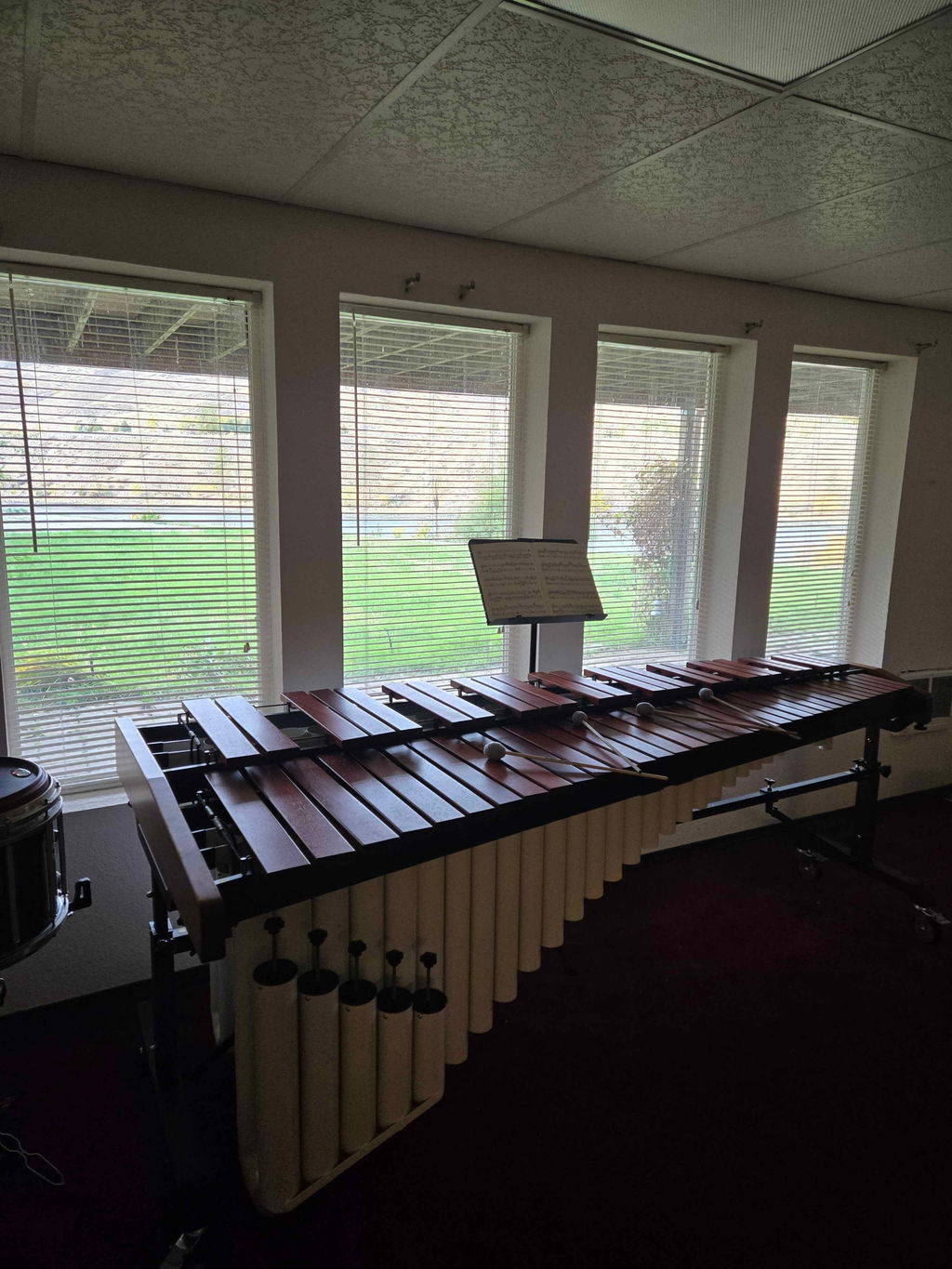
I bought this Marimba for my Music Therpay clinic and I couldn't be happier with the quality and the cost. For the amount I paid for this I was able to get a 5 octaive, durable, and plesant sounding instrument. I use it daily with clients and for myself.
I love that the frame is completely adjustable, and it is easy to set up.
The only critque I have of this instrument is with the frame, the bolts are not gavinized or stainless steel so they had started to develop some rust when the arrived to at my office. A little brush up and using some lube the promlem was solved.
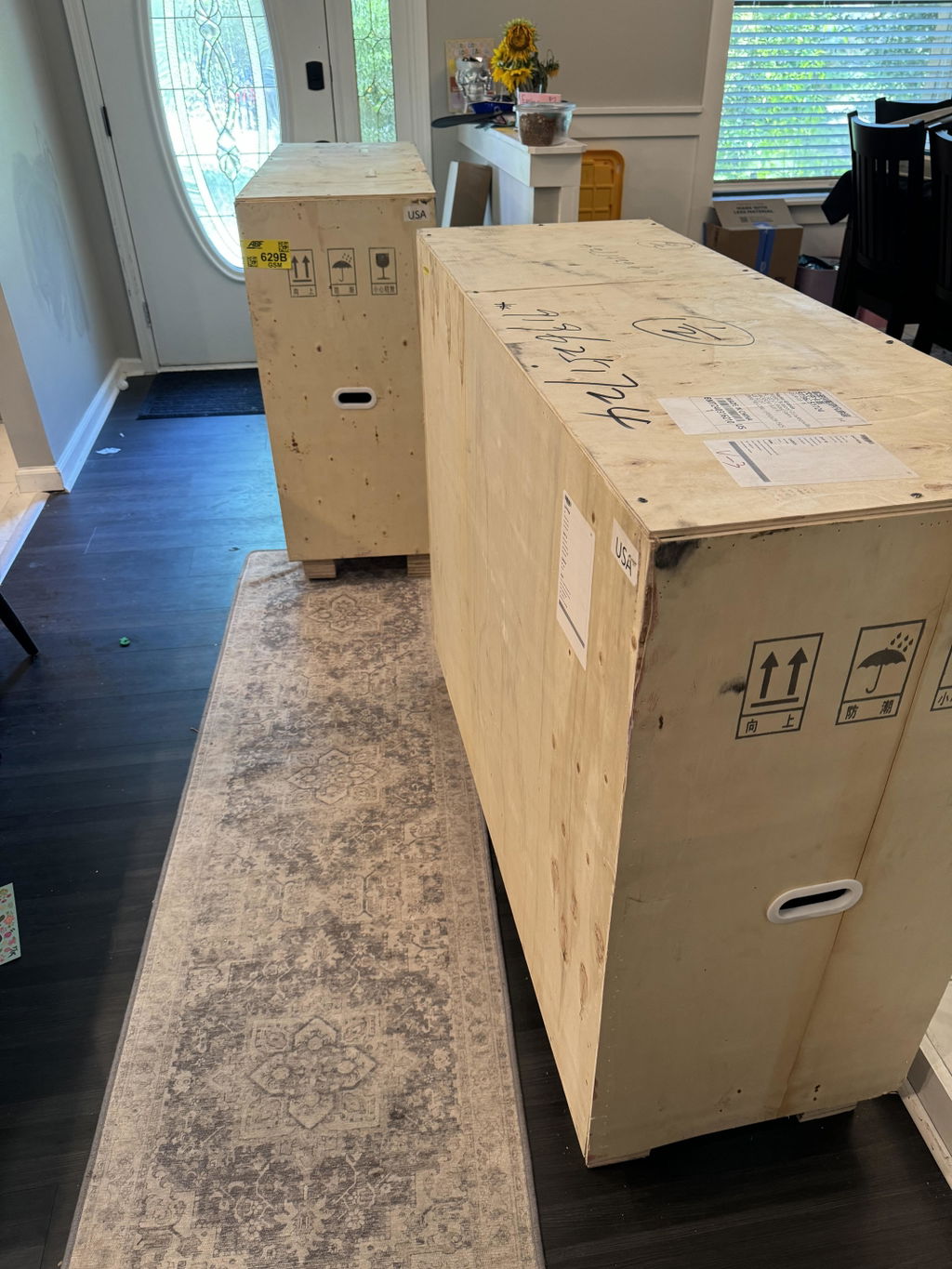
I was looking for a five-octave marimba for my son to practice for music school auditions. I came across the website for Monkman Studios. The marimba looked nice, and the price was even nicer. However, I thought the deal was too good to be true. I e-mailed Jesse and inquired about the marimba. Jesse was very pleasant and patiently answered all my questions. To be honest, I was so scared when I wired the fund for the purchase. The bank warned me that once the fund is wired, I would not be able to get it back. I decided to trust Jesse, and I am so glad I did! The shipment was a little delayed, but Jesse followed up for me as soon as he saw my e-mail. The marimba arrived in 2 big wooden boxes, and it was beautiful. My son enjoyed practicing on it, and he was admitted to Herb Alpert School of Music at UCLA one year later. A side note, he played "Parody" which was composed by Jesse during his auditions.
Cannot recommend enough. The marimba is all finished beautifully, and sounds great. The construction is simple yet sturdy, I assembled it with ease on my own in under an hour. All keys recieved were in tune. Mr. Monkman has been great thoughout the process, keeping everything moving. I have not gotten a chance to put on the resonators since I want to keep it quieter in my apartment, but the keys still resonate for quite a while. Literally unbeatable price point for a 5 octave! Here's a small video, forgive my rusty playing: https://photos.app.goo.gl/yvpgD37vaiib2W9n7
I am a percussionist and music teacher and have dreamed of having a 5-Octave Marimba for as long as I have been playing (~15 years). The MK-Omnia has been an absolute joy to play. It looks and sounds as beautiful as its counterparts that cost 3x as much. Mr. Monkman has been professional, courteous, and prompt throughout the entire process and his commitment to providing a high-quality marimba at an affordable price for the common person has been a noticeable characteristic of his brand at every step in this process. I was nervous about this purchase, but I have been so happy I decided to buy my Omnia. It has opened up my access to another world of marimba literature in the 5-octave range and did so without killing my wallet! I have compared the sound to my school's Marimba One padauk and the Majestic padauk marimbas and it fits beautifully inside of a VERY similar sound profile of these brands. The graduated size of the bars, total length, and overall features are very similar to my school's Marimba One.
I found Monkman Studios by just randomly googling cheap marimbas. It’s been about 6 years since I’ve played a marimba and thought I’d look. I came across this site thinking there is no way a good looking marimba was at this price.
Of course there’s always the assumption of a scam, but the customer service Jesse provides really is top notch. He went over the top in showing me videos, jumping on calls, and had extremely fast communication. That, and knowing he used to live in my hometown and knew some colleagues I immediately knew it was legit and had to buy.
The service provided is high quality. I will say due to situations out of Jesse’s control, the marimba arrived later than expected. Throughout the delay however I was promptly updated on a frequent basis and Jesse clearly cared about getting the marimba to me as fast as possible.
Once arrived I was surprised at the quality! I knew it would be good from what was shown to me, but honestly it blew me away. The quality without a doubt competes with the bigger, higher priced brands. If you are in the market for a marimba, please just buy the MK-Omnia. You will absolutely not be disappointed. I’m so pleased that I’m coming back to purchase a Vibraphone once available.
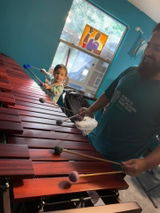
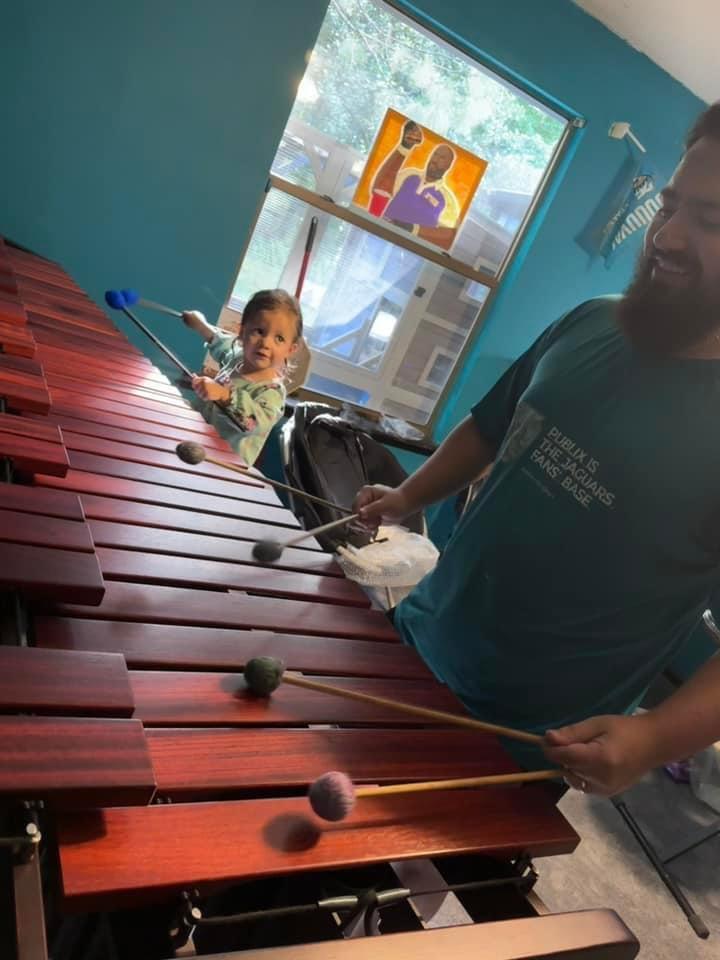
Attached are some photos of how it arrives, and a few of the marimba (with my daughter having a great time too). I cannot recommend it enough, I am very happy with the purchase and would do it again in a heartbeat.
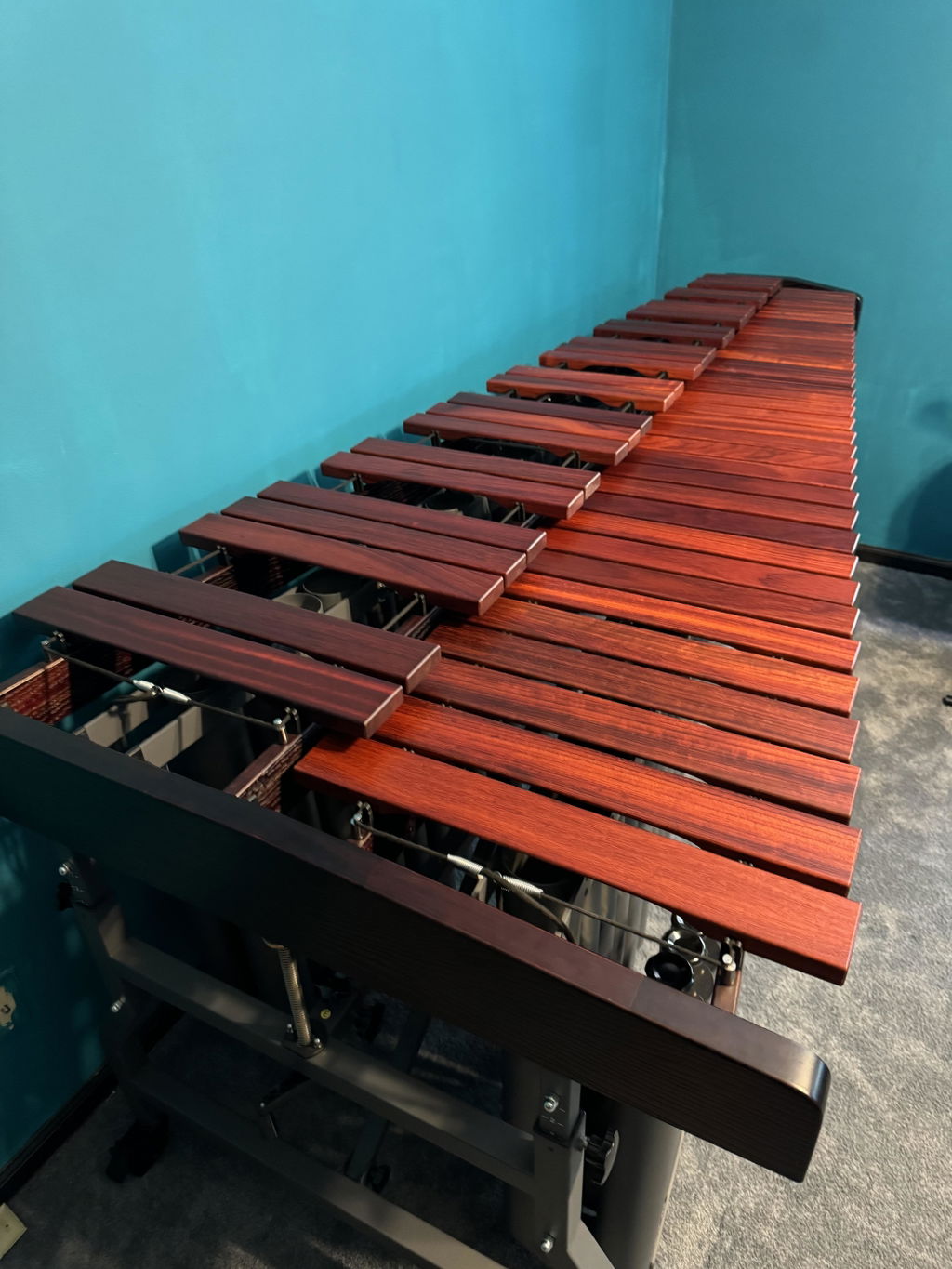
Upon discovering the website and encountering the enticing marimba price of $3,900 for a 5-octave instrument, my skepticism kicked in. The deal seemed too good to pass up, especially when compared to the prices of 4.3-octave marimbas in the market. Given that the repertoire I enjoy demands a 5-octave range, the offer was particularly appealing.
The quality of the frame surpassed my expectations, with an uncomplicated assembly process and no noticeable structural issues or blemishes. The lower octaves, in particular, stand out with a rich and resonant tone.
In my interactions with Jesse and Monkman Studios, the level of service has been exceptional. Jesse promptly addressed all my inquiries, consistently responding within a day. As my concerns grew regarding the shipping process, Jesse took the initiative to contact the shipper, providing reassurance about the marimba's whereabouts. This proactive and attentive customer service has played a significant role in creating a positive experience with Monkman Studios, ensuring a smooth and reassuring purchasing process.
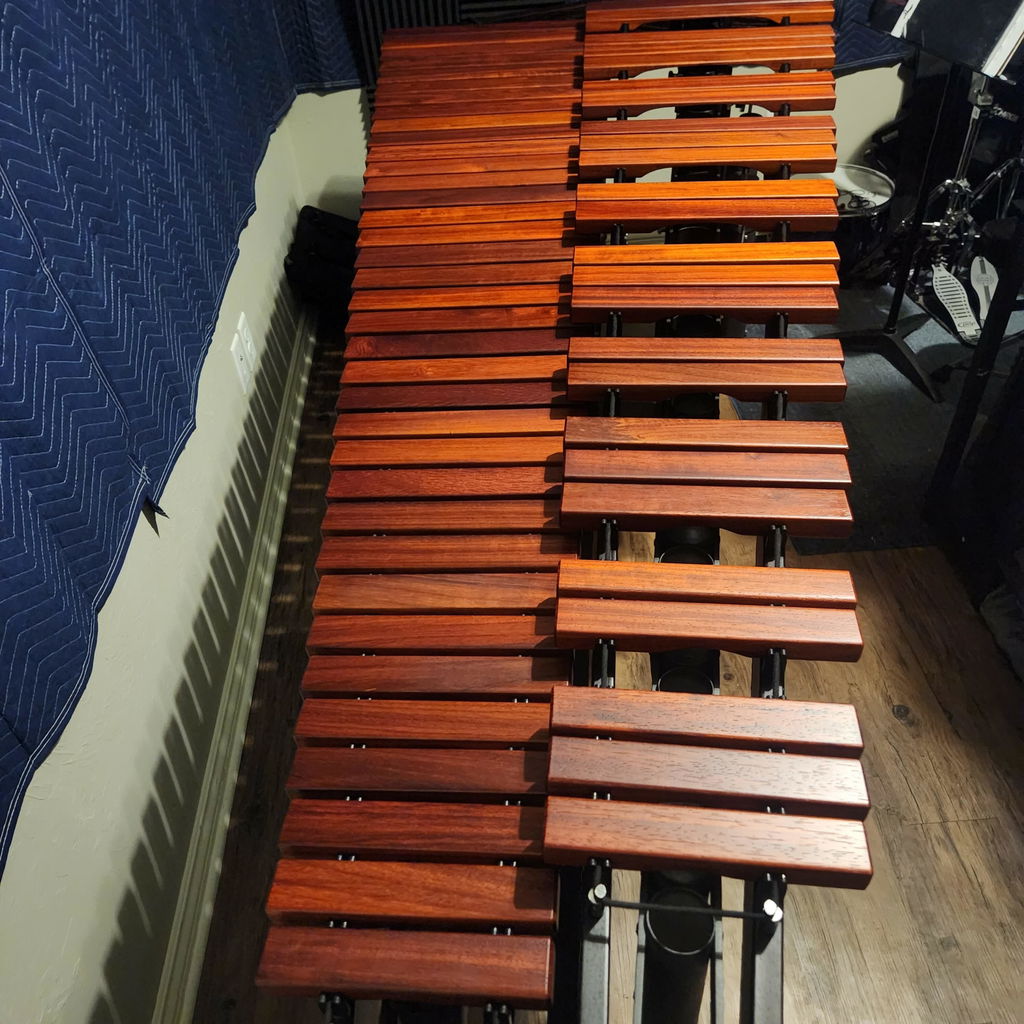
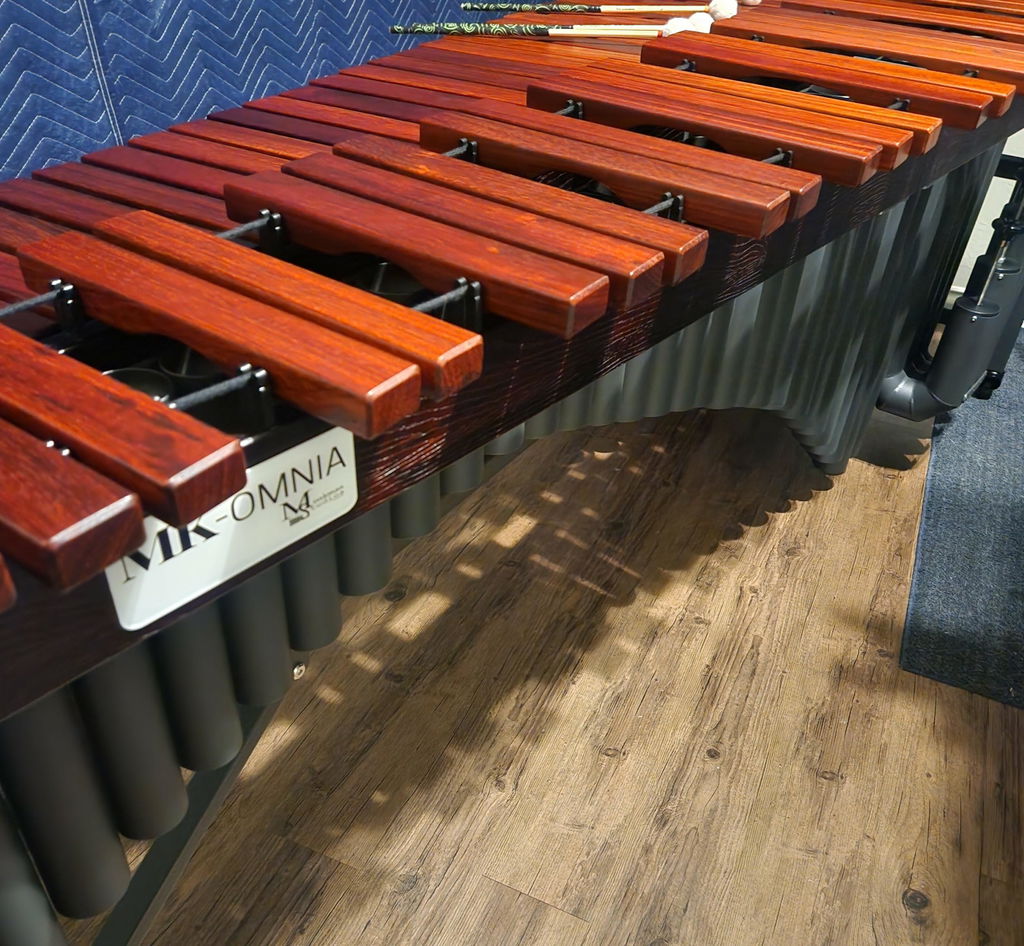
Popping on to write a quick review... my son will post later when he gets a chance to record a video.
THIS IS THE REAL DEAL!!!! The MK-Omnia 5-octave marimba is gorgeous - both in sound and appearance. We never thought we would be able to afford a 5-octave marimba... we are so thankful to Jesse for giving us this opportunity to provide a quality instrument for our family!
As a musician, I've purchased many instruments, but I've always had a chance to actually play them first. I was nervous about purchasing something that wasn't even made yet... but there truly was no need to be concerned. Jesse was fabulous to work with and responded very quickly to each and every question we had.
Take the leap... you, too, can own your very own 5-octave marimba!!
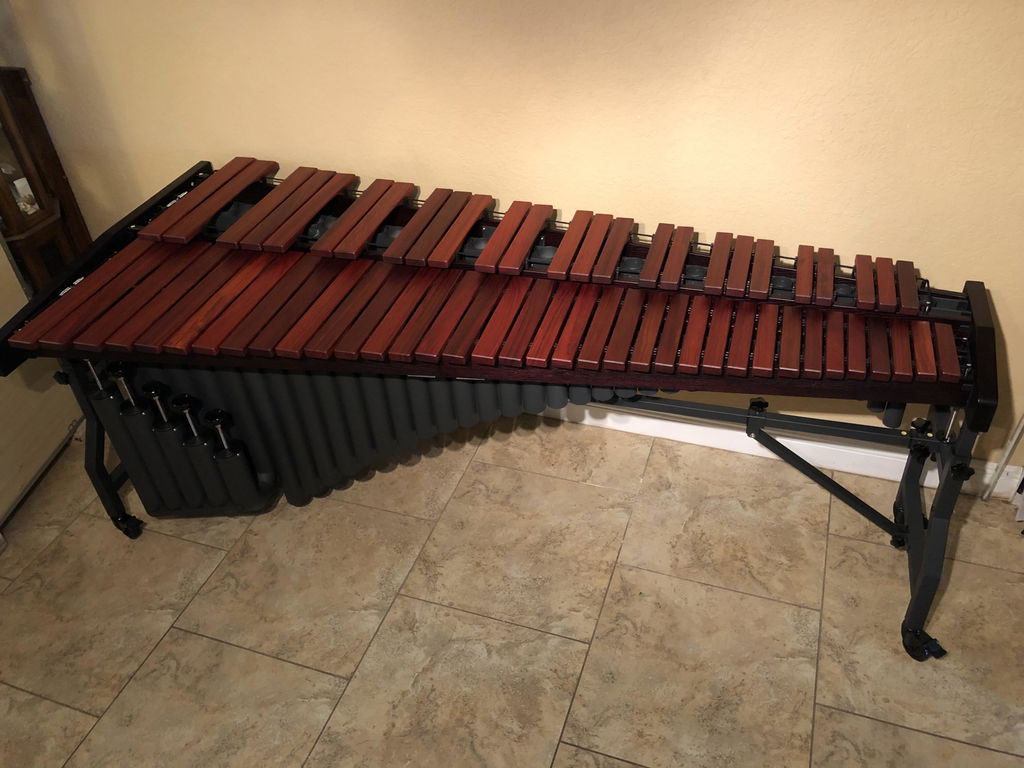
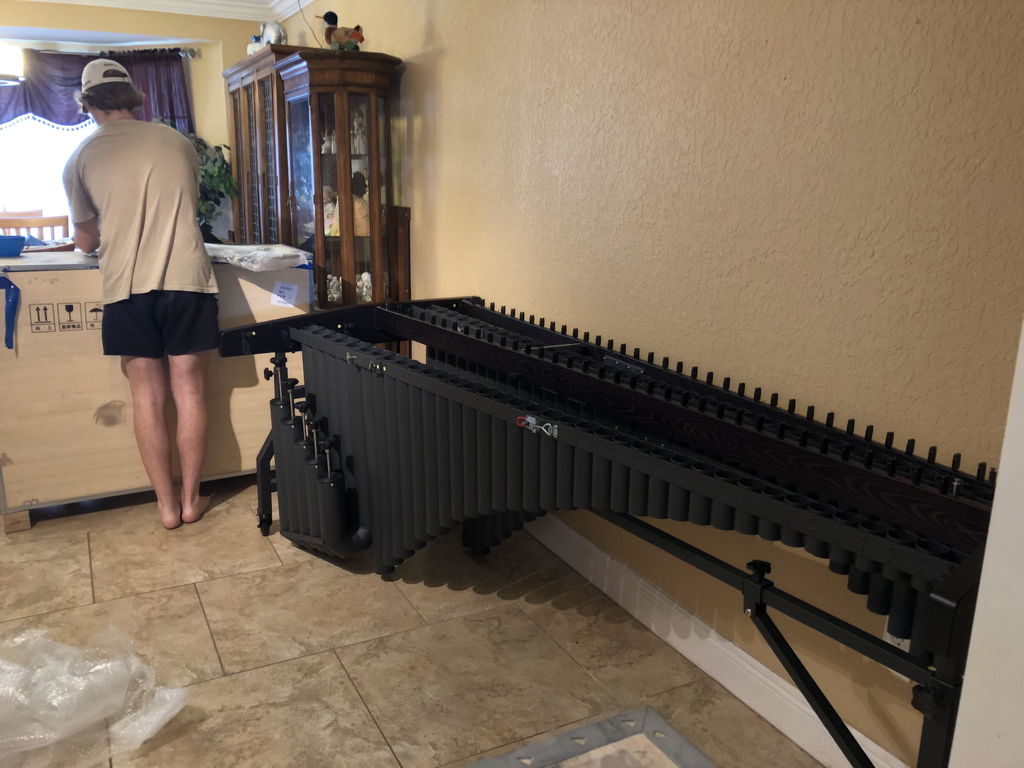
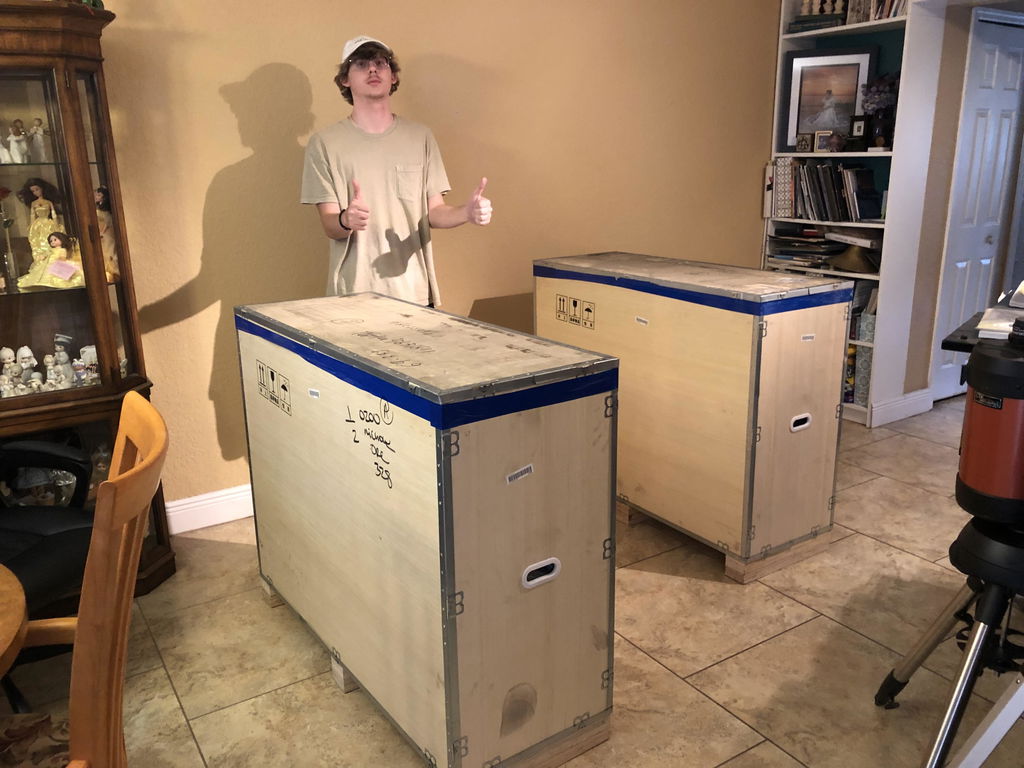
My son is a music major, senior in college, looking for a 5 octave "something" to practice on for graduate school auditions. This is mom....I helped him look for practice marimbas with no resonators and found a few marimbas that were preowned, expensive but something to "look at"..Found Monkman Studios and was interested but skeptical..."too good to be true" Did a bit of research on Jesse Monkman and reached out....my experience with Jesse has been scary due to the way of the world, trusting someone you met online but an absolute 10! We decided to 'take a chance' and our experience with Jesse and Monkman Studio has been amazing! It is a trust with a bit of money but reach out with all of your questions and concerns...absolute transparency! Would recommend for the quality of the product and correspondence....(: